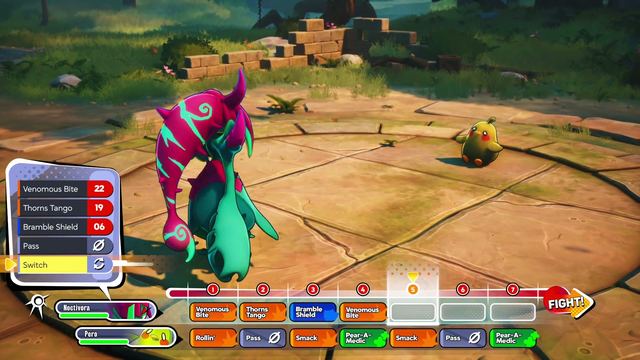
Synapse: acting before the Timeline
Synapse is the party-wide time trick: what it does, why Neura charges gate it, and how one action placed before the Timeline rewrites an enemy's whole plan.
Synapse lets a recruited Neoran act during the planning phase, before the Timeline starts. Each creature has its own Synapse action with a unique effect and animation, and each one spends Neura charges that build up turn after turn.
Last checked: 28 October 2026 — studio gameplay page (Synapse section) and Steam feature list.
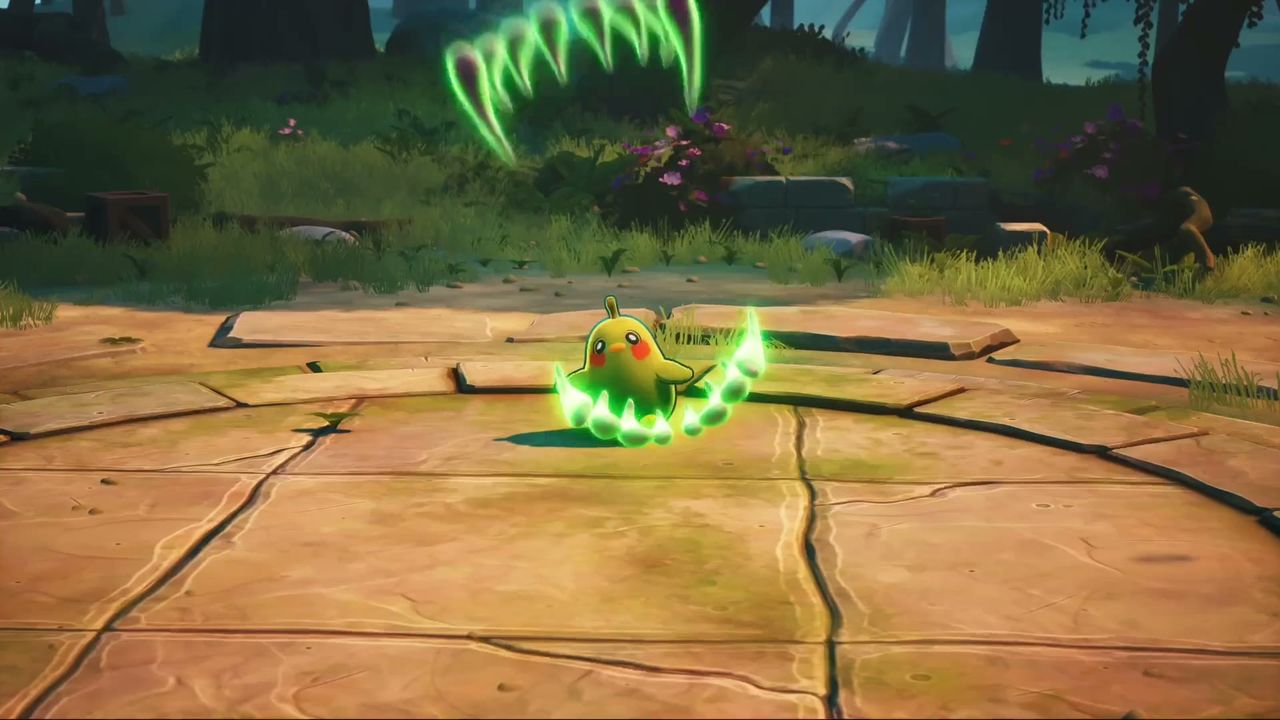
Synapse is what makes the seven-turn window feel like a superpower instead of a spreadsheet. It resolves before the timeline starts — and it is the reason Neura charges exist.
What Synapse is
Iris binds the Neura flow in the Knight's arm to a Neoran on the field. That link extends the Knight's time-bending ability from one person to the whole party. In practice: an action that happens during the planning phase, before slot 1 of the queue, and that changes the order, the size or the number of attacks the enemy was about to make.
Every Neoran has its own Synapse action, with a unique effect and a unique animation. Recruiting a creature therefore does not just add a body — it adds a new way of bending time to your party.
The charge system
Synapse actions are not free and they are not on a cooldown timer. They consume Neura charges, which build up turn after turn. The studio frames the decision as a choice between spending early and letting them mature:
| Approach | What it buys you | What it costs |
|---|---|---|
| Spend as soon as you have one charge | Constant small tempo swings | You never hold enough for a decisive move |
| Bank charges across several turns | One timeline-rewriting turn | You fight several turns with no Synapse at all |
| Bank until an enemy combo is telegraphed | Breaks the combo at its worst moment | Requires you to have read the queue correctly |
No cap on charges and no charge rate is published. The intent is clear: timing is supposed to be interesting, which only works if holding is risky.
Why "before the timeline" is different from "fast"
A speed stat in most RPGs means acting earlier in the same turn order. Synapse is not that: it resolves in the planning phase, so it changes what the queue contains before the queue is committed:
- It can alter the order of incoming enemy attacks.
- It can alter the magnitude of them.
- It can alter the number of them.
Those three words are the studio's. If a Synapse can remove an attack entirely, then a defensive plan built around blocking that attack was wasted — which is exactly the sort of decision the seven-turn window exists to make interesting.
The trailer example, and why it matters
The studio's own written example comes straight from the trailer. A wild Biskem is about to land a Cloudbreak with a +300% bonus damage modifier. Rather than spend a Neoran's defensive action on it, the Knight neutralises the attack with Sagira's Silent Assassin — at a cost of two Neura charges.
That paragraph teaches four things:
- Enemy damage can be multiplied, not just added. A +300% modifier on one attack is the sort of thing that ends a run if it lands.
- Synapse is a defensive tool as much as an offensive one. This use does not attack; it deletes an incoming attack.
- Charges are priced per action. This one costs two. Costs vary by creature, so banking charges is a real budget decision rather than a single toggle.
- There is a second layer nobody has explained. The studio notes that Synapse can also be performed between the Knight and Iris themselves, and asks what binding a human and a dragon would do. That is an explicit hook, not a mechanic with published rules.
How to use Synapse well (a pre-launch method)
You cannot practise yet, so here is a method built from the description:
- Scan the enemy queue for one catastrophic slot. Something with a multiplier, a combo finisher, or a move that hits the whole party.
- Ask what your party's Synapse options can do to that slot. Remove it, delay it, shrink it, or redirect it.
- Decide spend or bank before you place anything else. Synapse changes the board; placing seven actions first means replanning seven actions.
- Count your charges against the fight's length. If the fight is likely to run the full queue, banking may never pay off.
Where it sits in the build
Synapse is the top layer of a four-layer build, and it interacts with all of them:
| Layer | Interaction with Synapse |
|---|---|
| Actions | Synapse resolves before them, so it can enable an action that would otherwise be blocked |
| Sigils | No published Sigil affects Synapse directly |
| Jewels | Some affect every creature on the field, planning phase included |
| Traits | Global Traits can change what a Synapse is worth |
Build for Synapses as much as damage: it is the part of the kit outside the queue.
Next
- The seven-turn timeline — the queue Synapse resolves before.
- Jewels and Sigils — the passive layer around it.
- Combat flow — where Synapse sits inside a single fight.