How Wonderful Neoran Valley plays
The loop from arrival to run end: explore a biome, talk a Neoran into joining, plan seven turns of combat, spend Neura charges, and start again wiser.
A run is exploration plus conversations plus turn planning. You walk a biome, meet Neoran and convince them to join, then fight on a seven-turn Timeline where every action is queued in advance. Resources you spend in one fight are gone for the next, and the run restarts when your team falls.
Last checked: 28 October 2026 — mechanics described on the studio site and in the announcement trailer.
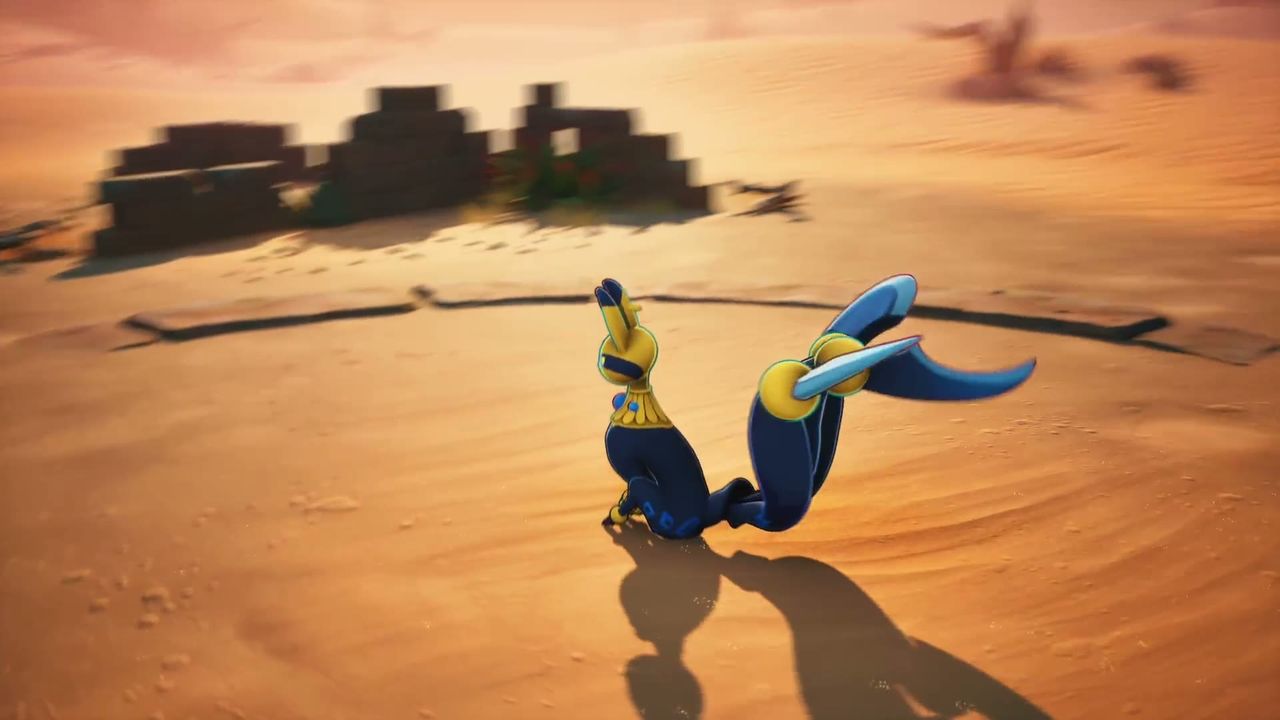
A run has a shape you can plan around even though the game is not out: walk a biome, talk your way into a team, fight on a shared timeline, spend what you have, and come back knowing more. Here is that loop with the studio's own vocabulary attached.
The loop, in six steps
- Enter a biome. Runs are roguelite: biomes reshuffle and each expedition offers new possibilities. Exploration is in-engine and third-person, judging by every screenshot published so far.
- Meet Neoran. Creature encounters start as conversations. A nameplate and dialogue box appear; what you say determines whether the creature joins.
- Build the party. Recruited Neoran each bring their own set of Actions, their own Synapse move and their own personality.
- Fight on the timeline. You see seven turns ahead, place your team's actions into the queue alongside the enemy's, and confirm with a FIGHT! button when the plan is set.
- Spend resources. Actions, Synapse uses and consumables cost things that do not come back inside the same fight. The studio's line is blunt: every resource spent today will be missing tomorrow.
- End the run, keep the knowledge. The next expedition starts with a reshuffled map and a better idea of what enemy patterns look like.
What each phase asks of you
| Phase | What you do | What the game gives you | What you need to bring |
|---|---|---|---|
| Exploration | Move through a biome, choose encounters | Environment, creature placement | Patience — nothing is on a timer in the footage |
| Conversation | Pick dialogue options | Nameplate, dialogue text, personality | Reading what the creature actually wants |
| Team building | Choose who travels with you | Actions, Synapse moves, Traits | Understanding of synergy, not raw stats |
| Planning | Place actions on the timeline | Seven turns of enemy intent | Counting. Literally counting slots |
| Resolution | Watch the queue run | Damage, effects, deaths | A plan that survives enemy combos |
| Reset | Start the next run | New biome layout | Memory of what killed you |
The planning phase is the game
Everything else is scaffolding around one screen. At roughly eighteen seconds the trailer holds on a battle: a party column with nameplates on the left, an action menu with named abilities, and a horizontal queue numbered one to seven. A FIGHT! button waits for you to commit.
Legible on that frame:
| Element | What is readable |
|---|---|
| Queue slots | 1 through 7, laid out left to right |
| Party nameplates | Noctivora, Pero, Chugaloo, Owrion, Wakiza |
| Action labels | Venomous Bite, Thorns Tango, Bramble Shield, Rollin', Smack, Pear-A-Medic, Pass, Switch |
| Commitment | A FIGHT! button |
The labels are the best evidence for how actions are worded: two-word names, one defensive (Bramble Shield), one multi-target (Thorns Tango), one positional (Rollin'), one a heal (Pear-A-Medic, a Pero pun). Pass and Switch being menu items means doing nothing and swapping creature are real, costed choices.
Why "spend it now" is the tension
In a normal turn-based RPG you can stall. Here the studio frames resources as something carried across fights inside a run: what you burn in this encounter is not there for the next. That turns every easy fight into a budgeting question — the studio's own example asks what good a saved Pero is if it cannot handle the opponents two rooms later.
The practical consequence for planning: defensive actions are not free insurance, they are purchases. A Bramble Shield that absorbs twenty damage might cost you the charge you needed to end the next fight in three turns instead of six.
Where the loop gets deep
Three systems sit on top of the basic loop and are worth reading before you play, because they are what separates a good run from a scrappy one:
- The seven-turn timeline — how the queue is built and how enemy combos are telegraphed.
- Synapse — the pre-timeline action that lets a creature act before the queue starts.
- Jewels and Sigils — the passive layer that decides what your team is actually for.
What the footage does not show
No shop screen, no map screen, no upgrade tree, no run-summary screen and no boss fight have been published. Anything written about those is extrapolation from the genre, not from this game. When the studio shows them, they get a page here.
Next
- The seven-turn timeline — read this before your first fight.
- Combat flow — what a single fight looks like turn by turn.
- Progression and runs — what survives a run ending.