What is Wonderful Neoran Valley
A narrative monster-collector roguelite from Nara Studio: what the Valley is, who the Knight and Iris are, and how it differs from a Pokémon-like.
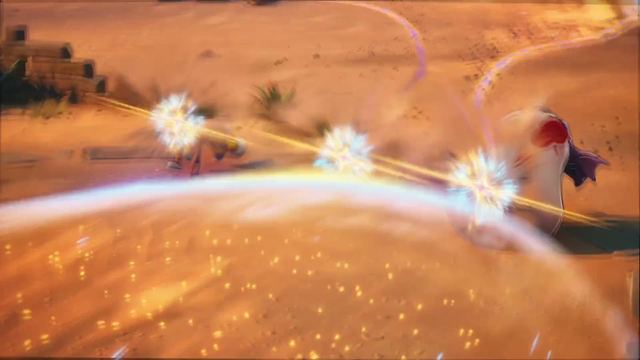
Wonderful Neoran Valley is a narrative-driven monster-collector roguelite by Nara Studio, coming to PC via Steam with a 2028 release window. You play a Knight with seven-turn foresight, recruit talking creatures called Neoran by talking to them, and fight through a valley being corrupted by Neura Clusters.
Last checked: 28 October 2026 — Steam store page, studio site and studio FAQ.
Wonderful Neoran Valley is a narrative-driven monster-collector roguelite. You play a soldier with a seven-turn window into the future, you recruit talking creatures by convincing them rather than capturing them, and you push deeper into a valley that is being eaten from the inside by something called the Neura Clusters.
The short version
| Field | Value | Source |
|---|---|---|
| Developer / publisher | Nara Studio (Narastudio) | Steam page |
| Steam genres | Adventure, Indie, Strategy | Steam page |
| Studio's own label | Roguelite Monster Collector | Official FAQ |
| Platforms | Windows on Steam; PS5 and Switch 2 per FAQ | Steam page + FAQ |
| Release | "Coming soon" on Steam, "sometime in 2028" in the FAQ | Both |
| Price | Not announced | — |
| Steam App ID | 5473450 | Steam page |
| Studio base | Milan, Italy | Kickstarter project page |
Who made it
Nara Studio is an Italian team that publishes as Narastudio. It is not a first project: the game ran a Kickstarter campaign in early 2026 that closed at €923,201 from 14,358 backers against a €100,000 goal — the studio's own newsroom says that goal was hit ten minutes after launch. The public-facing name on the site footer is Narastudio; the Steam developer and publisher fields both read "Nara Studio". Same studio, two spellings, both official.
What the game is actually about
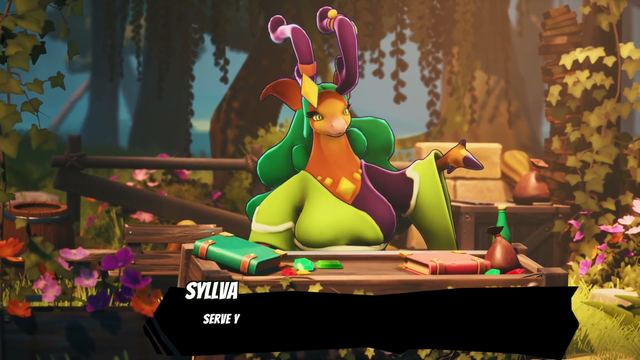
The Valley is full of Neoran: creatures that evolved from animal and plant life under the influence of a life force called Neura. They are not pets. The studio is explicit that most of them speak the human language, feel complex emotions, have needs and hold goals of their own — which is why recruiting one is a conversation with a personality attached, not a dice roll.
Two characters drive the story:
- The Knight — a soldier of the Order of Knights, the crown's special forces, whose members are genetically modified through Neura injections. The Knight's injection gave them foresight: they sense danger and hostile intent moments before it happens, and in battle that becomes the timeline you plan on. They have studied the Valley in manuals for years and have just been selected for the reconnaissance mission.
- Iris — a baby dragon who has wandered the Valley for roughly eighty years. She can see the Neura Flux with the naked eye and compress it into jewels that change how the Flux behaves. She is a opportunist with a plan: use the Neura Clusters to forge the greatest Neura jewel ever made. Why is left open.
The threat is the Neura Clusters: places where the Flux stops flowing and builds up dangerously, distorting the environment and turning normally manageable creatures hostile.
How it differs from a Pokémon-shaped game
This is the comparison everyone makes, so here is the honest version.
| A capture-based collector | Wonderful Neoran Valley | |
|---|---|---|
| Getting a creature | Weaken it, throw, hope | Talk to it, learn what it wants, convince it |
| What the creature is | A species entry with stats | A speaking character with goals and opinions |
| Combat planning | You pick a move per turn | You place actions across seven visible turns |
| Enemy information | Hidden until it happens | Printed on the shared timeline |
| Run structure | Route with fixed gyms | Roguelite biomes that reshuffle per run |
The studio names Pokémon and Shin Megami Tensei as its collector references, and Slay the Spire, Balatro and Inscryption as its roguelite ones. That list is accurate about the shape of the thing: the map is roguelite, the conversation is the collector part, and the timeline is the part that resembles a deckbuilder's intent reading.
What is not public
No price, no release date beyond the 2028 window, no achievement list, no demo, no system requirements beyond the three fields Steam fills in (8 GB RAM, DirectX 12, 20 GB). If a page tells you the roster's stats, the number of biomes or the length of the campaign, it is inventing them — the studio has not said.
Next
- How the game actually plays — the loop from arrival to run end.
- The seven-turn timeline — the mechanic everything else hangs on.
- Recruiting Neoran — why you cannot just throw something at them.