Progression between runs
What carries over between runs, what does not, where evolution fits, and how the roguelite structure keeps a long 2028 monster collector from becoming a grind.
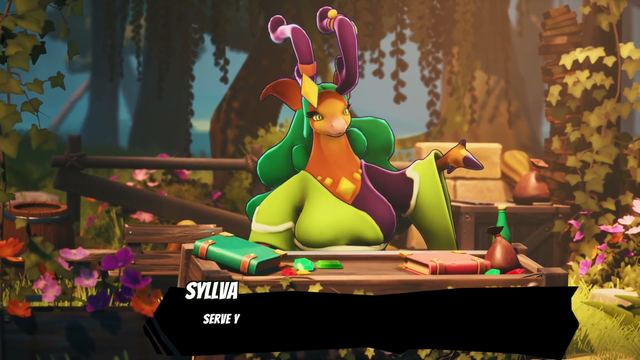
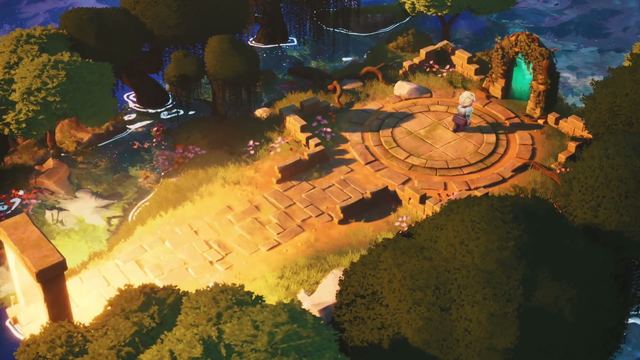
Each run reshuffles biomes, encounters and the Neoran you meet, while your knowledge of enemy patterns carries over. Resources spent inside a run stay inside it; recruiting and evolving a Neoran is the long-term layer the studio has described.
Last checked: 28 October 2026 — Steam feature list, studio gameplay page, official FAQ.
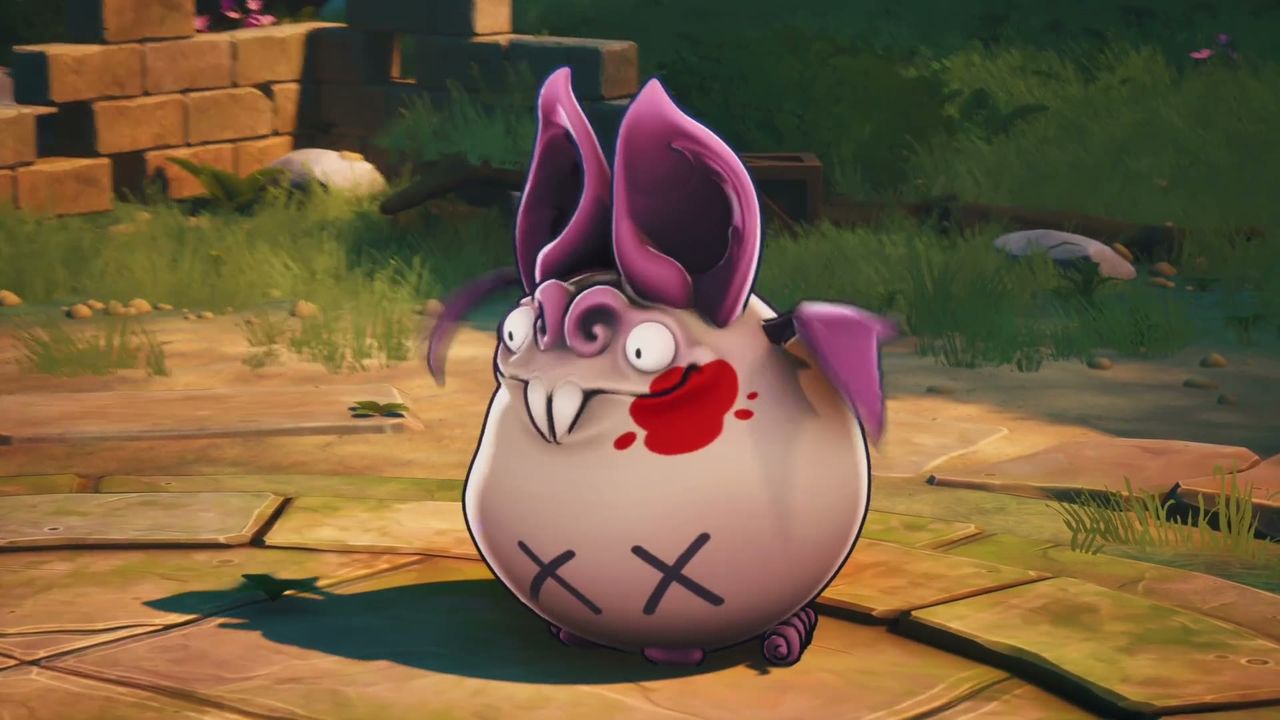
A roguelite in 2028 has a problem to solve: how do you make losing a run feel productive without turning the game into a grind. Everything the studio has said about progression points at one answer — knowledge is the thing that carries, and the Valley is different every time you walk into it.
What resets, and what does not
The studio's own description of the roguelite layer is short: each time you adventure through the valley you meet different challenges, and you gain knowledge that helps you take on the next adventure with better judgement. You discover new Neoran, items and synergies on the way.
Read literally, that gives you three categories:
| Category | Resets per run | Evidence |
|---|---|---|
| Biome layout and encounters | Yes | Steam: "new possibilities in every run" |
| Resources spent in combat | Yes | Studio: "every resource spent today will be missing tomorrow" |
| Neura charges | Yes | They build up turn after turn inside a fight |
| Your knowledge of enemy patterns | No | Studio: knowledge carries to the next run |
| Recruited Neoran | Unclear in public material | See below |
| Evolved forms | Unclear in public material | FAQ confirms evolution exists, not what it costs |
The two "unclear" rows are the ones that decide what kind of roguelite this is. If recruits persist between runs, the game has a collection spine and the roguelite layer is about routing. If recruits reset, every run is a fresh conversation and the meta-progression lives somewhere else entirely — a hub, an unlock tree, or Jewels.
The tension the studio keeps pointing at
Two quotes define the design:
- That the next seven turns are yours to plan — combat is information-rich and fair.
- That every resource spent today will be missing tomorrow — combat is expensive and the run is a budget.
Those two together describe a game where the failure state is rarely "I was surprised". It is "I spent wrong three fights ago". That is a very specific kind of roguelite competence, and it is the one thing you can start thinking about before launch: not which creature is best, but what a fight is worth spending.
Evolution as a progression axis
The FAQ confirms Neoran evolve. The Kickstarter text gives one worked example: the Yakid is the Baseline Form of the Wakiza. That single word tells you the model is a chain, not a one-off transformation, and that some creatures on your team are stage one of something else.
For planning purposes, three questions to hold until release:
- Does a creature evolve mid-run, or between runs?
- Does evolving keep the personality you recruited, or reset the conversation?
- Do evolved forms keep their Synapse action, or swap it for a new one?
The last one matters most, because Synapse actions are the part of a creature's kit that operates outside the seven-slot queue.
Build diversity is the real progression
The studio's strongest claim about replay value is not the roster — it is that Jewels will be what most defines a build in every run. If that holds, progression is measured in combinations discovered rather than levels gained:
| What you unlock over time | Why it changes runs |
|---|---|
| Enemy pattern knowledge | You stop losing to telegraphed combos |
| Jewel familiarity | You start building around adjacency rules instead of raw damage |
| Sigil vocabulary | You learn which actions can be rewritten |
| Creature personalities | You learn which Neoran cooperate in a plan |
| Synapse timings | You learn when banking charges pays |
None of those are numbers on a character sheet. All of them make the next run easier in the way the studio describes.
What this means for the 2028 launch window
If you are deciding whether to follow the game, the thing to watch is not the roster count (85 is already announced) — it is whether the studio shows a run summary or hub screen before launch. That screen answers the persistence question in one image, and it is the single biggest unknown left in the loop.
Until then, treat any guide that lists permanent upgrades as fiction.
Next
- Combat flow — what a fight actually costs you.
- Jewels and Sigils — the layer that defines a run.
- Recruiting Neoran — how the roster grows during a run.